
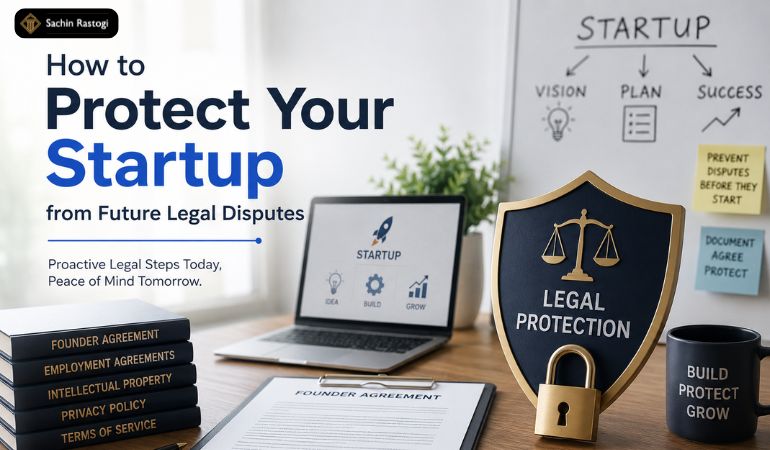
How to Protect Your Startup from Future Legal Disputes
22
Jun
How to Protect Your Startup from Future Legal Disputes
Starting a startup is an exciting journey. Every entrepreneur dreams of building a successful company, attracting customers and growing profits. However, many businesses focus only on business growth and ignore legal protection. This can become a serious problem in the future.
A small legal mistake made in the beginning can lead to expensive lawsuits, business losses and damage to your reputation. Whether it is a disagreement between co-founders, a contract issue with clients or a dispute over intellectual property, legal problems can affect the survival of a startup.
The good news is that most legal disputes can be avoided by taking the right steps at the right time. By creating proper agreements, following laws, protecting business assets and keeping accurate records, startup owners can reduce risks and focus on growing their business. Understanding these legal basics is not only important for large companies but also for small startups that want long-term success.
Choose the Right Business Structure
The first step in protecting your startup is choosing the correct business structure. Whether you register as a sole proprietorship, partnership, LLP or private limited company, each structure has different legal responsibilities and benefits. Selecting the right one helps protect your personal assets and creates a strong legal foundation for your business.
Prepare Written Agreements
Many start-up founders rely on verbal promises, especially when working with friends or family members. This can create misunderstandings later. Every business relationship should have a written agreement. Co-founder agreements, employee contracts, vendor contracts and client agreements clearly explain the rights and responsibilities of everyone involved. Written contracts help avoid confusion and make legal action easier if disputes arise.
Protect Your Intellectual Property
Your startup’s name, logo, website content, software, designs and unique ideas are valuable assets. If you do not protect them, someone else may copy or misuse them. Register your trademark, copyright or patent whenever possible. Protecting intellectual property gives your startup legal ownership and helps prevent future conflicts with competitors.
Follow Government Rules and Regulations
Every business must comply with legal requirements such as company registration, tax filing, licenses, GST compliance, labor laws and data protection rules. Ignoring these obligations may result in penalties or legal notices. Staying compliant with government regulations keeps your startup legally safe and builds trust among customers and investors.
Keep Business and Personal Finances Separate
Many startup owners use personal bank accounts for business transactions during the early stages. This creates financial confusion and legal complications. Open a separate business bank account and maintain proper financial records. Keeping personal and business finances separate makes accounting easier and reduces legal risks during audits or disputes.
Create Clear Employment Policies
Employees play an important role in every startup. Having proper appointment letters, confidentiality agreements and workplace policies helps protect your business. These documents define employee responsibilities and reduce the chances of legal disputes related to salaries, misconduct or confidential information.
Maintain Proper Business Records
Good record-keeping is one of the simplest ways to protect your startup. Keep copies of contracts, invoices, tax returns, board resolutions, employee records and important emails. Organized records can serve as evidence if any legal issue arises in the future. They also help during audits and investment discussions.
Understand Client and Vendor Contracts
Before signing any agreement, read every clause carefully. Many startups sign contracts without understanding payment terms, cancellation policies, penalties or dispute resolution methods. If needed, consult a legal expert before signing important agreements. A well-reviewed contract can save your startup from costly legal battles.
Protect Customer Data
In today’s digital world, businesses collect customer information through websites and mobile applications. Startups should take proper security measures to protect this data. Having a clear privacy policy and using secure systems can reduce the risk of legal action related to data breaches or misuse of personal information.
Seek Legal Advice When Needed
Many startup owners avoid consulting lawyers because they think it is expensive. In reality, getting legal advice early can prevent much larger expenses later. A legal expert can review contracts, guide compliance and help resolve disputes before they become serious. Professional advice can save both time and money.
Every startup faces challenges, but legal disputes should not become one of them. By taking preventive steps such as choosing the right business structure, preparing written agreements, protecting intellectual property, following legal rules, maintaining records and seeking professional guidance, entrepreneurs can build a stronger and safer business. Investing in legal protection today can help your startup avoid costly problems tomorrow and create a solid foundation for long-term success.
Need Legal Support for Your Startup?
Protecting your startup from legal disputes starts with the right legal guidance. Whether you need help with company incorporation, drafting agreements, trademark registration, compliance or resolving business disputes, professional legal advice can save your business from future risks.
Contact Sachin Rastogi & Associates today and let our experienced corporate law team help you build a legally secure and future-ready startup. Take the right legal steps today so you can focus on growing your business with confidence.
